Hunza Valley – Complete Travel Destination in Pakistan

Hunza Valley is a high-altitude valley located in Gilgit-Baltistan, northern Pakistan, along the Karakoram Highway. The region is characterized by steep mountain terrain, glacial rivers, historic fortified settlements, and terraced villages.

Hunza functions primarily as a scenic and leisure destination. It is frequently chosen for honeymoons, family holidays, and photography-focused trips due to its compact geography and accessible viewpoints.

This guide presents verified geographic context, seasonal patterns, an overview of attractions, and planning considerations.

Location & Geographic Context

Hunza lies approximately 600 kilometers north of Islamabad.

Data PointDetails
RegionGilgit-Baltistan, Northern Pakistan
Main Tourist BaseKarimabad
Elevation (Central Hunza)Approx. 2,400 meters above sea level
Elevation (Upper Hunza)2,500–2,800 meters
Distance from Islamabad600 kilometers
Average Road Travel Time12–14 hours (via Karakoram Highway)
Nearest AirportGilgit Airport (~100 km / 2–3 hrs drive)
Alternative AirportSkardu Airport (~200 km / 5–6 hrs drive)
Primary Road AccessKarakoram Highway (Year-round, weather dependent)
Seasonal RouteBabusar Top (Typically July–September)

Administrative Region: Gilgit-Baltistan
Average Elevation (Central Hunza / Karimabad): ~2,400 meters
Higher Elevations (Upper Hunza – Gulmit, Passu): 2,500–2,800 meters

Karimabad serves as the primary accommodation and tourism center.

Road Access

Primary Route:

Islamabad → Hazara Motorway → Besham → Chilas → Jaglot → Hunza (via Karakoram Highway).

Typical travel time is 12–14 hours under normal traffic conditions. Travel time may increase during peak summer weekends or during highway maintenance.

The Babusar Top route via Naran operates seasonally (generally July–September), depending on snow clearance.

Air Access

Nearest Airport:

Gilgit Airport

Distance to Hunza: ~100 km (2–3 hours by road)

Alternative:

Skardu Airport

Distance: ~200 km (5–6 hours by road)

Flight operations are regulated by the Pakistan Civil Aviation Authority. Northern routes are weather-dependent, particularly during winter when visibility in the Gilgit valley can delay departures.

Visitors arriving directly from low-altitude cities may prefer to limit physical activity on the first day due to the elevation change.

Why Visit Hunza Valley?

Hunza Valley offers beautiful mountain scenery with established village infrastructure.

Key distinguishing factors:

  • Clear views of major Karakoram peaks, including Rakaposhi and Ultar Sar
  • Restored historic heritage forts near the main village
  • Beautiful seasons, spring blossoms, and colorful autumn leaves
  • Short driving distances between major nearby attractions
  • Well-developed hotels and guesthouses, as compared to more remote northern areas

Compared to Skardu, Hunza’s main attractions are closer together, reducing daily transit time.

Major Attractions (Summary)

Baltit fort

Baltit Fort – a 700-year-old restored fort above Karimabad.

Altit Fort – Historic fort preserved with old village architecture.

altit fort hunza valley
Attabad lake

Attabad Lake – Mountain lake formed after a 2010 landslide.

Passu Cones – Sharp cones shaped like a dramatic mountain along the Karakoram highway.

Passu Cones Hunza
Hussaini bridge

Hussaini Suspension Bridge – Pedestrian bridge over the Hunza River.

Khunjerab Pass – Paved border between Pakistan and China.

Khunjerab Pass
Eagle Nest View Point

Eagle’s Nest Viewpoint – High-altitude hilltop offering wide valley views.

Rakaposhi View Point – Scenic viewpoint offering close-up views of Rakaposhi peak.

Rakaposhi view point-min
Borith Lake

Borith Lake – A high-altitude lake ideal for birdwatching and relaxation.

Karimabad – The heart of Hunza Valley with traditional bazaars and mountain views.

Karimabad Bazar
Gulmit

Gulmit – A historic village known for its culture and scenic beauty.

Hoper Glacier – A stunning glacier viewpoint easily accessible from Hoper village.

Hopar Glacier
Hunza Valley-Gilgit Baltistan

Gilgit – A capital hub for culture, history, and access to nearby mountains.

Naltar Valley –  Famous for its lakes, forests, and winter sports activities.

Nagar Valley

Nagar – Renowned for its high altitude mountain peaks, glaciers & traditional heritage.


Khunjerab Pass is located in the Khunjerab National Park, one of the highest national parks in Pakistan.

Explore detailed attractions guide →

Travel Suitability by Visitor Type

Honeymoon Travel

  • Valley-view accommodations concentrated in Karimabad
  • Predictable sunrise and sunset visibility from elevated ridges
  • Blossom season (April) in lower Hunza

Hunza is selected for honeymoon travel primarily due to its low urban density, the visual accessibility of the mountain peaks, and moderate walking requirements.

Explore honeymoon tour packages →

Family Travel

  • Vehicle access to primary forts and viewpoints
  • Short internal driving distances (typically 15–60 minutes between sites)
  • Established guesthouse and hotel network

Families generally complete core sightseeing without extended trekking.

Explore family tour packages →

Hunza for Adventure

  • Trekking routes
  • Mountain photography
  • Road trips via Karakoram Highway

Moderate Adventure Travel

  • Short trekking routes near Passu
  • Glacier viewpoints accessible by road + short walk
  • Extended scenic drives via the Karakoram Highway

Hunza functions as a moderate adventure base rather than a high-altitude expedition hub.

Explore adventure travel options →

Winter Travel

  • Reduced visitor density
  • Snow coverage in the upper villages
  • Restricted access to Khunjerab during heavy snowfall

Weather advisories can be monitored through the Pakistan Meteorological Department during the winter months.

Read winter travel guide →

Seasonal Overview

Hunza operates primarily as a spring-through-autumn destination.

Spring (April–June)

Blossom season begins in lower Hunza in early April and gradually spreads to the upper villages. Daytime temperatures are moderate.

Summer (July–September)

Peak operational season. Stable road connectivity and full hotel availability.

Autumn (October)

Foliage transition period. Lower tourist density compared to summer.

Winter (December–February)

Sub-zero nighttime temperatures are common in upper Hunza. Road conditions remain functional in central areas but may be restricted toward higher elevations.

Read complete best time guide →

Safety & Infrastructure

Hunza is generally regarded as a stable tourism region with low reported crime rates compared to major urban centers. Tourism oversight falls under the purview of institutions, including the Pakistan Tourism Development Corporation

Operational considerations:

  • Mountain road driving experience recommended
  • Winter travel requires monitoring of weather advisories
  • Mobile network coverage is strongest in Karimabad and Aliabad

Hunza is suitable for couples, families, solo travelers, and structured group travel.

Recommended Trip Duration

Optimal Stay: 5–7 Days

Rationale:

  • 1–2 days allocated for round-trip road travel from Islamabad
  • 3–4 days for forts, Attabad Lake, Passu region, and local viewpoints
  • 1 flexible day for reduced activity or weather adjustments

Shorter itineraries (4 days) are feasible when combining flights and road transfers.

See detailed itinerary →


Accommodation Overview

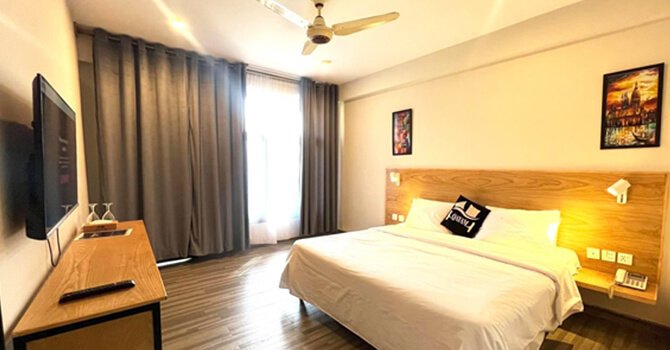
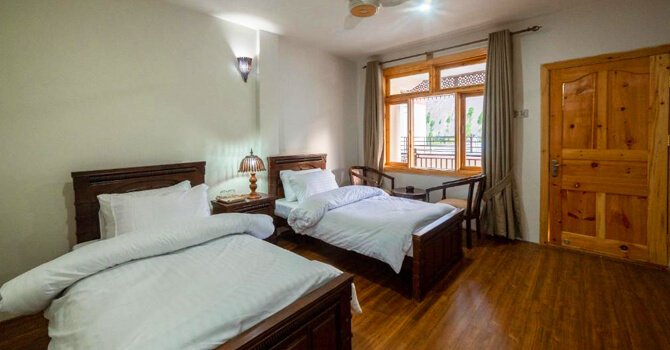
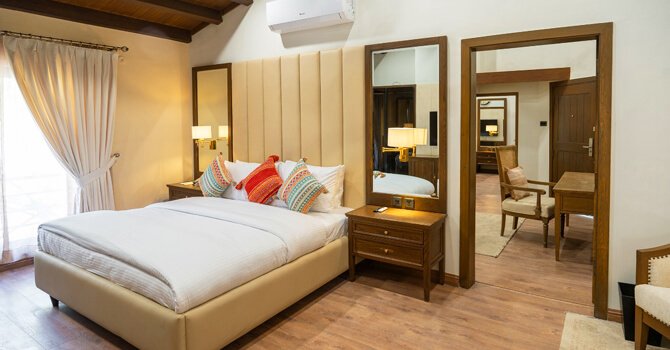
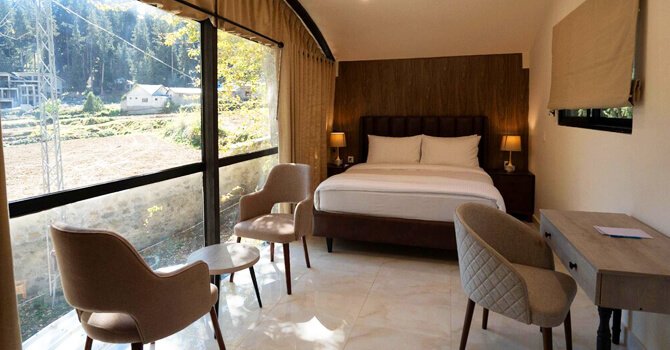
Hunza provides tiered accommodation categories:

Budget:

Guesthouses in Karimabad and Aliabad.

Mid-Range:

Valley-facing boutique hotels with on-site dining.

Upper Segment:

Lake-facing properties near Attabad and elevated ridge hotels.

Operational availability is highest from April to October. Limited winter operations vary by property.

View best hotels in Hunza →

Tour Packages

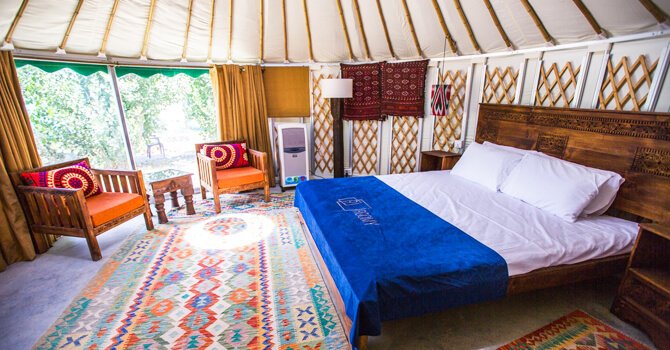
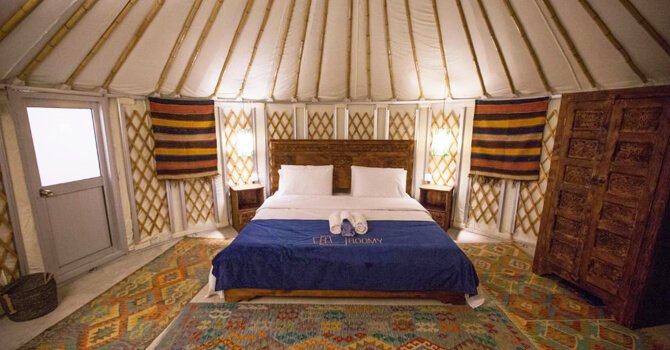
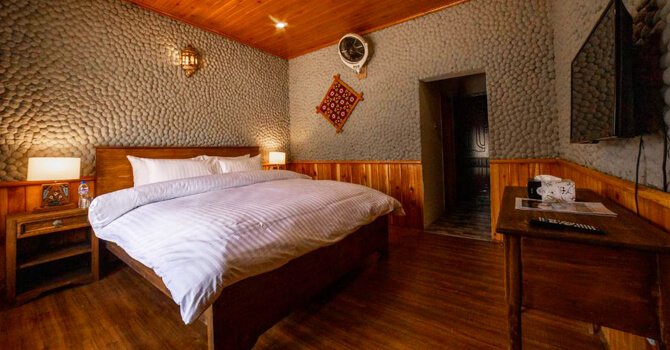
Organized packages typically include:

  • Road or flight + road transport
  • Hotel accommodation
  • Scheduled sightseeing stops
  • Optional guided services

Packages can be structured for honeymoon, family, or moderate adventure travel.

Explore Hunza tour packages →

FAQs

Hunza is located in Gilgit-Baltistan along the Karakoram Highway, approximately 600 km north of Islamabad.

Hunza is known for its mountain views, heritage forts, blossom season, Attabad Lake, and well-structured valley settlements.

5–7 days allow comprehensive coverage without time pressure.

It is generally regarded as one of the more stable tourist regions in northern Pakistan.

Yes, central Hunza remains accessible, though higher routes may close temporarily.

Yes. Most primary sites are accessible by vehicle with limited physical strain.

Strongest in Karimabad and Aliabad; weaker in remote villages. Travelers are advised to get an SCOM SIM for reliable data coverage.

Domestic travelers typically do not require special permits, but regulations should be confirmed before travel.

Plan Your Hunza Trip

View Travel Guides →

Ready to Plan Your Trip?

Not sure which destination fits your travel dates or budget? Speak with our travel consultant to design a personalized itinerary.